

Torino vs Tradition: Which Port St. Lucie Neighborhood Fits Your Lifestyle and Budget?
When buying a home in Port St. Lucie, choosing the right neighborhood can matter just as much as choosing the house itself. Two areas that buyers often compare are Torino and Tradition. Both are popular with families and relocating buyers, both offer convenient access to major roadways, and both include a mix of newer homes. That said, they offer very different day-to-day lifestyles.
This comparison is designed for buyers who are deciding between space and amenities, privacy and community, or a quieter suburban feel versus a master-planned environment. It is especially helpful for those relocating from South Florida, the Northeast, or island communities who want a clearer picture of what living in each area actually feels like.
Rather than focusing on trends or marketing language, this guide breaks down the practical differences between Torino and Tradition so you can decide which neighborhood aligns best with your lifestyle, priorities, and long-term plans.
Overall Vibe and Lifestyle
Although both neighborhoods are located in Port St. Lucie, Torino and Tradition feel very different once you spend time in them.
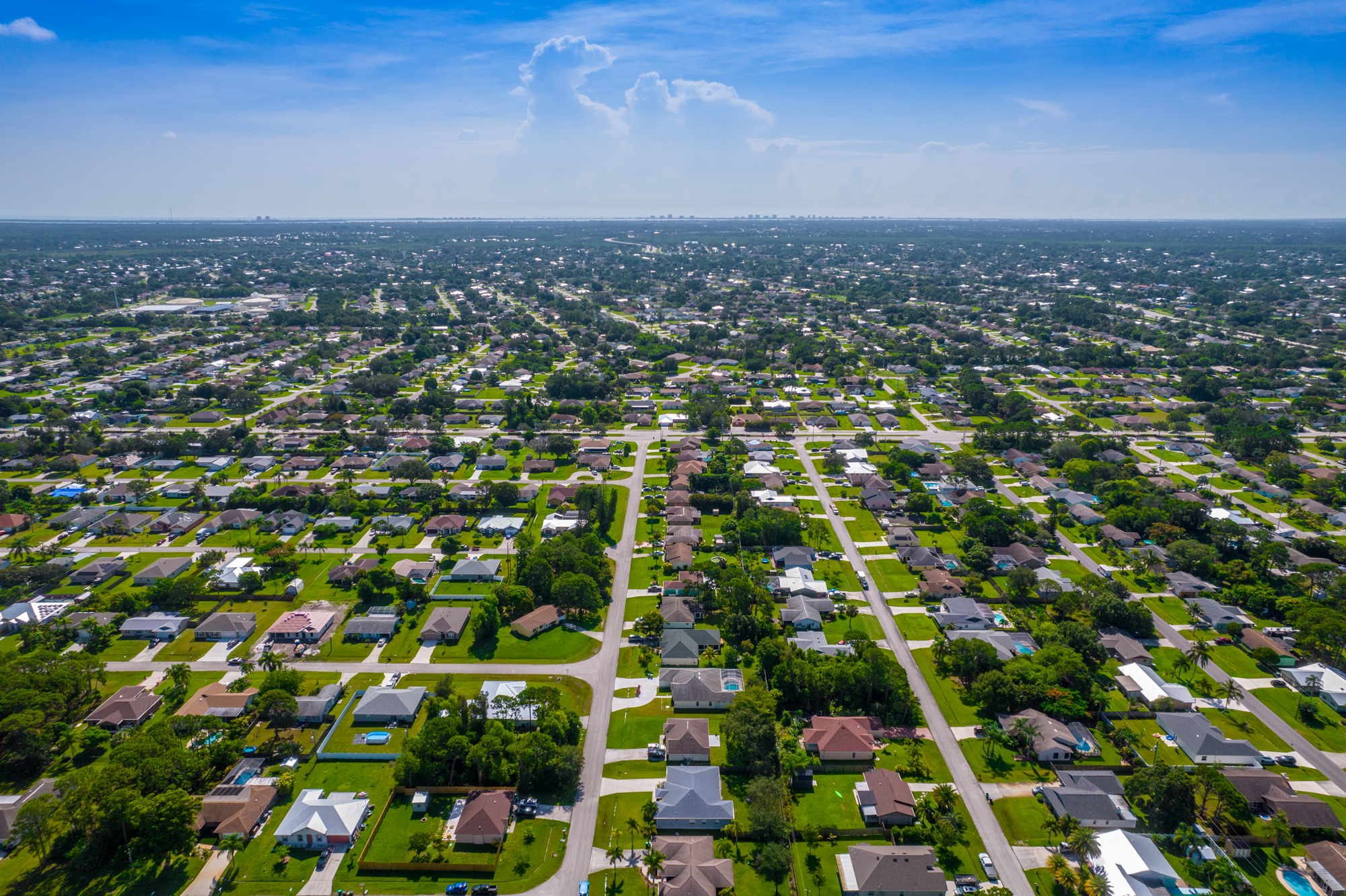
Torino has a more traditional suburban atmosphere. The area is spread out, with quieter streets and fewer centralized gathering spots. There is no town center or built-in entertainment hub, which many buyers see as a positive. Homes are generally spaced farther apart, and daily life feels calm and residential. Most errands require a short drive, and the neighborhood appeals to those who value privacy and a slower pace.
Tradition, by contrast, is a master-planned community built around lifestyle and convenience. It features a defined town center, community events, shared amenities, and a more active environment. Homes are closer together, and the neighborhood offers more walkability than many other parts of Port St. Lucie. In exchange for that convenience, residents follow HOA guidelines that help maintain a uniform look and community structure.
Neither lifestyle is better than the other. The right fit depends on whether you prefer quiet and space or activity and amenities.
Homes, Lots, and Pricing Expectations
The types of homes and lot sizes available in each neighborhood play a big role in the overall value buyers perceive.
In Torino, homes tend to vary more in age and architectural style because the area developed over time rather than all at once. Many buyers appreciate this variety. One of Torino’s biggest draws is lot size. In general, lots are larger, and there is more distance between homes, which appeals to buyers who want outdoor space or added privacy.
In Tradition, homes are typically newer and more uniform in style. Floor plans often reflect modern layouts, with open living spaces and energy-efficient features. Lot sizes tend to be smaller, which contributes to a more neighborhood-oriented feel.
When it comes to pricing, median home prices in Torino and Tradition are often comparable. In some cases, homes in Tradition may even appear slightly lower in price at first glance. The key difference is what that price includes. Torino’s value often shows up in larger lots and fewer built-in costs, while Tradition’s pricing reflects access to amenities and a master-planned lifestyle.
HOA Fees and Overall Cost
HOA fees are an important factor when comparing these two neighborhoods.
In Torino, HOA fees vary by subdivision and are generally lower. Some areas have minimal fees or fewer shared amenities, which gives homeowners more independence and flexibility.
In Tradition, HOA fees are a standard part of living in the community and are typically higher. These fees help maintain common areas and support amenities such as pools, fitness centers, parks, and community events. While the home price itself may be similar to Torino, the ongoing HOA cost should be factored into the overall budget.
When comparing costs, it’s helpful to look beyond the purchase price and consider monthly expenses as part of the bigger picture.
Schools, Commute, and Daily Convenience
Both Torino and Tradition offer access to public, charter, and private school options, though buyers should always verify zoning and availability, as school boundaries can change.
From a commuting standpoint, both neighborhoods provide convenient access to major roads, including I-95 and the Florida Turnpike. Tradition’s layout includes more internal planning and centralized access points, while Torino follows a more traditional suburban road pattern.
For daily errands, Tradition offers the advantage of having shops, dining, and services within the community itself. Torino is more spread out, but still within a short drive of grocery stores, medical facilities, and other essentials.
Who Each Neighborhood Is Best For
Torino is often a good fit for buyers who:
-
Want larger lots and more space between homes
-
Prefer a quieter, less structured environment
-
Value lower HOA fees and fewer community rules
-
Do not mind driving for shopping and entertainment
Tradition is often a good fit for buyers who:
-
Enjoy a master-planned community with amenities
-
Value walkability and having services nearby
-
Like community events and shared spaces
-
Are comfortable with HOA guidelines and fees
How to Choose Between Torino and Tradition
If you are deciding between these two neighborhoods, it helps to ask yourself a few key questions:
-
Do I prioritize space and privacy, or amenities and convenience?
-
Will I use community features like pools, events, or fitness centers?
-
Am I comfortable with HOA rules and monthly fees?
-
Do I prefer a quieter environment or a more active, social one?
Touring both neighborhoods can also make a big difference. Seeing them in person often clarifies which lifestyle feels right.
Both Torino and Tradition offer strong options in Port St. Lucie. The best choice is the one that fits how you want to live day to day, not just how a home looks on paper.
